
Undergoing a transformation in South Korea is an exciting journey, but the “Golden Time” for your results actually happens after you leave the operating theater. Proper nutrition is the cornerstone of reducing swelling and preventing inflammation.
As someone who has navigated the recovery process with thousands of international clients, I’ve seen how much a clean, high-protein diet accelerates healing. Many patients worry about finding the right food while staying in a hotel, but Seoul offers incredible options that prioritize your recovery without sacrificing taste.
The Absolute Essential: Bonjuk (The Porridge Standard)
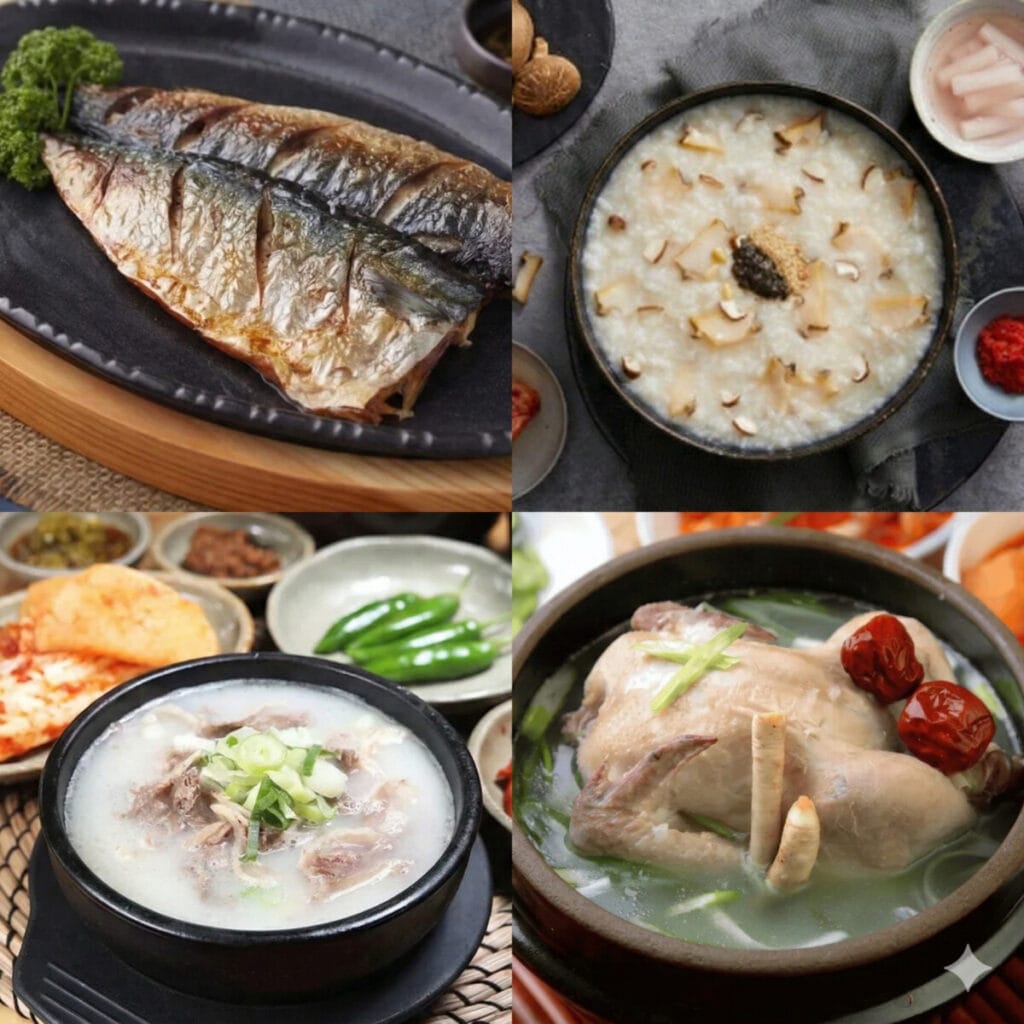
If there is one name you must remember during your stay, it is Bonjuk (본죽). In Korea, porridge (Juk) is the undisputed go-to recovery meal. Even local Koreans head straight to Bonjuk after any medical procedure.
- Variety of Choice: From “Abalone Porridge” (rich in minerals) to “Pumpkin Porridge” (famous for reducing swelling/edema), there is a flavor for every stage of recovery.
- Digestive Comfort: It is incredibly gentle on the stomach, which is vital if you are taking post-surgery antibiotics or pain medication.
- Accessibility: With hundreds of branches across Sinsa, Apgujeong, and Gangnam, you are never far from one.
- Delivery Friendly: Most clinics or our agency can help you order Bonjuk via delivery apps right to your hotel doorstep.
Top Protein-Rich & Flour-Free Restaurants in Gangnam
To ensure a speedy recovery, I always advise my clients to follow the “No Flour, High Protein” rule. Avoiding gluten and fried foods helps keep inflammation at bay. Here are my top-tier recommendations near the major clinic hubs:
1. Traditional Healing: Samgyetang & Gomtang
- Gangnam Samgyetang (Sinnonhyeon): This is a traditional ginseng chicken soup. It’s a complete meal with protein and glutinous rice, providing deep nourishment and energy.
- Hyoeunok (Sinnonhyeon): Specialists in Gomtang (beef bone soup) and Suyuk (boiled beef slices). The broth is clear and mild—perfect for managing inflammation. I recommend focusing on the meat and broth rather than the noodles.
2. The Power of Omega-3: Grilled Fish
- Ban-gung (Newcore Gangnam): They serve specialized grilled fish sets. Mackerel and Spanish mackerel are rich in Omega-3, which is scientifically proven to aid in wound healing and skin regeneration.
3. Nutrient-Dense Korean Staples
- Wonju Chueotang (Sinnonhyeon): Loach soup is a nutritional powerhouse. The fish is finely ground, making it easy to swallow if you have had facial or dental surgery. Tip: Skip the dough flakes (sujebi) to keep it flour-free.
- Sigol Yachae Doenjang (Gangnam Stn.): A classic soybean paste stew with fresh seasoned vegetables. The fiber helps with digestion, which can sometimes slow down due to post-operative medication.
4. Modern & Clean Eating
- Proteener (Sinnonhyeon): For those who prefer a modern “Grain Bowl.” You can choose roasted salmon or chicken breast with nutrient-rich grains instead of bread.
- Du-eoul (Seocho): A soft tofu specialty house. Plant-based protein is incredibly easy to digest and has a very low risk of triggering inflammatory responses.
Recovery Tips from a Professional Insider
In my years of managing patient aftercare, I’ve noticed that the most successful recoveries come from patients who don’t just “rest,” but “nourish.”
Expert Tip: If you’ve recently had rhinoplasty or facial contouring, your jaw may feel stiff, and opening your mouth wide can be challenging. For the first three days, it is crucial to stick to soft foods like Bonjuk (porridge) or Du-eoul (soft tofu) to minimize strain. However, the true secret to reducing swelling lies in staying hydrated and incorporating gentle walks into your daily routine. Proper hydration flushes out toxins, while light physical activity boosts circulation, which is essential for a faster recovery. Don’t just stay in bed—moving your body is the best way to get your natural contour back.
Once your stitches are removed, you can transition to more substantial meals to regain your strength. We highly recommend taking a leisurely stroll to a nearby restaurant rather than ordering in; this turns your recovery exercise into an enjoyable mission. A perfect destination is Hyoeunok, where you can enjoy nutrient-rich options like grilled fish or tender boiled beef (suyuk). These dishes provide the high-quality protein needed for tissue repair without being too taxing on your jaw. Combining a scenic walk with a hearty, healthy meal is the ultimate way to wrap up your healing journey.
Why Work With a Medical Agency?
Navigating Korean menus and delivery apps can be daunting when you are wearing bandages. Our agency provides a seamless bridge:
- Curated Meal Delivery: We can coordinate specific recovery meals to be delivered to your hotel. You can basically access any food you want.
- Language Support: We ensure your dietary restrictions (e.g., no spicy food) are communicated clearly to the restaurants.
- Aftercare: We provide a “Recovery Kit” including pumpkin juice to fight swelling.
Conclusion
Your surgery is an investment in yourself. Protecting that investment starts with what you eat. By choosing nutrient-dense, flour-free meals like those at Bonjuk or our recommended local spots, you are giving your body the best tools to heal beautifully and naturally.
Next Up: The Ultimate Guide to Swelling Care in Korea
Choosing the right food is just the beginning. Are you curious about the professional treatments and “secret items” Koreans use to speed up recovery? In our next post, we will dive deep into Everything About Swelling Management in Korea